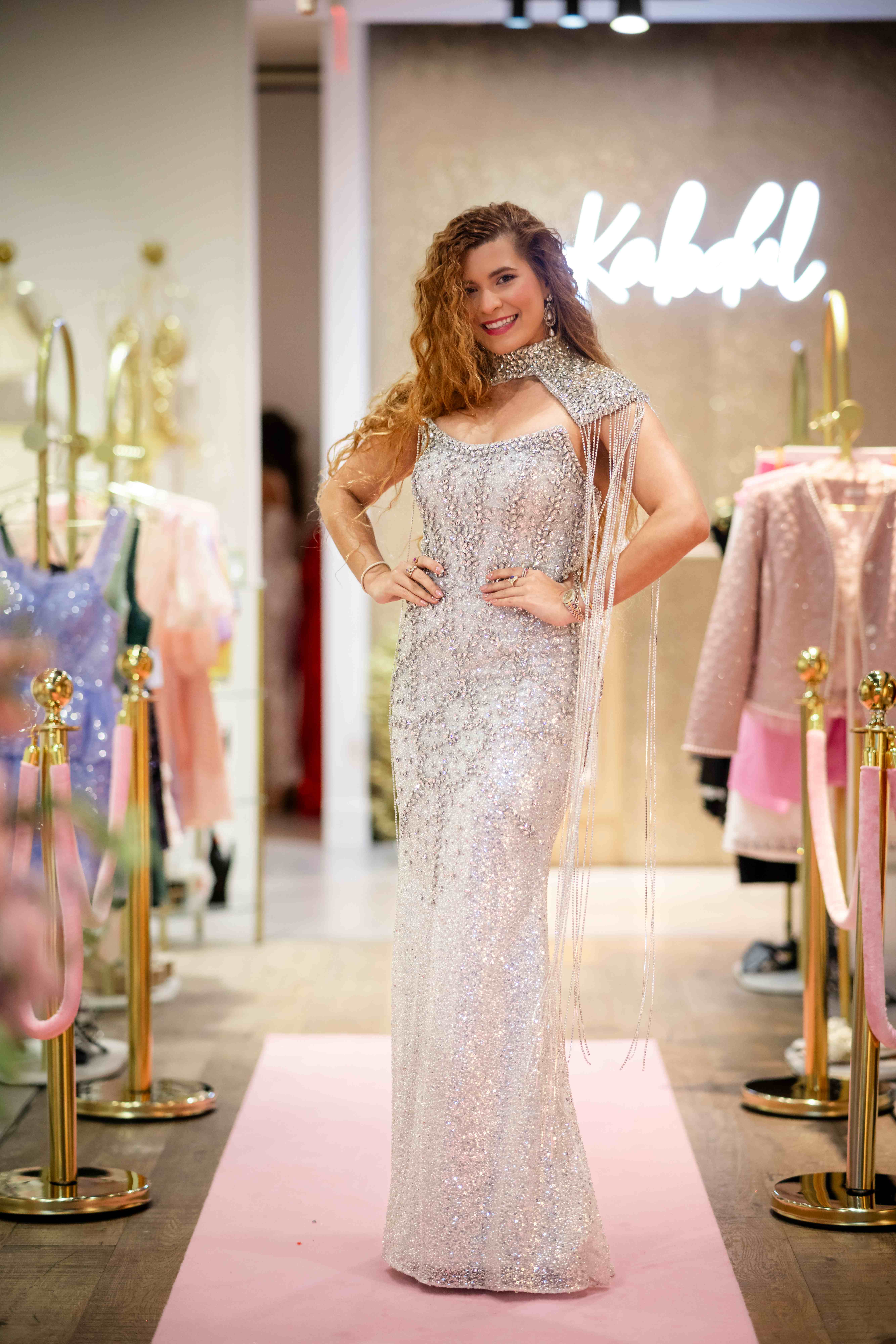
The luxury fashion industry stands at a crossroads. For decades, luxury and sustainability seemed incompatible—one focused on exclusivity and craftsmanship, the other on ethics and environmental impact. Today, leading designers are proving these values not only coexist but enhance each other.
Redefining Luxury
True luxury has always been about rarity, quality, and longevity. Viewed through this lens, sustainability isn't a new concept for high-end fashion—it's a return to core principles. A garment designed to last decades is inherently more sustainable than disposable alternatives.
The world's most prestigious fashion houses are embracing this connection. They're investing in traceable supply chains, supporting traditional artisans, and choosing materials based on environmental impact as well as aesthetic appeal. This isn't greenwashing—it's a fundamental shift in values.
Innovation in Materials
Sustainable luxury requires innovation beyond simply using organic cotton. Designers are exploring plant-based leather alternatives, recycled precious metals, and fabrics created from unexpected sources like ocean plastic and agricultural waste.
These innovations don't compromise on quality or beauty. Modern sustainable materials often surpass traditional options in performance while reducing environmental impact. The result is luxury goods that align ethics with aesthetics.
Transparency and Traceability
Today's conscious consumers demand to know where their clothes come from and how they're made. Leading luxury brands are responding with unprecedented transparency, sharing supplier information, production processes, and environmental metrics.
This openness builds trust and allows customers to make informed decisions. When you know that your evening gown was crafted by fairly compensated artisans using responsibly sourced materials, it adds another layer of value to your purchase.
The Circular Economy
Luxury brands are rethinking the traditional linear model of produce-sell-dispose. Instead, they're creating circular systems where garments can be repaired, refurbished, resold, or recycled at the end of their lifecycle.
Some houses now offer lifetime repair services for their pieces. Others have launched authenticated resale platforms. These initiatives extend product life and reduce waste while creating new business opportunities and customer touchpoints.
Slow Fashion Philosophy
The relentless pace of fast fashion—new collections every few weeks—is fundamentally unsustainable. Luxury fashion is embracing a slower, more considered approach with fewer, more meaningful collections.
This shift allows designers more time for innovation and craftsmanship. It encourages customers to buy less frequently but more intentionally. The result is clothing that transcends seasonal trends and remains relevant for years.
The Business Case
Sustainable practices aren't just ethically right—they make business sense. Modern luxury consumers, particularly younger generations, increasingly make purchasing decisions based on brand values. Companies that prioritize sustainability attract and retain these valuable customers.
Moreover, sustainable practices often improve operational efficiency and reduce long-term costs. Investing in quality materials and ethical production may have higher upfront costs but creates more valuable, longer-lasting products that command premium prices.
The Path Forward
Sustainable luxury isn't a trend or marketing tactic—it's the future of high-end fashion. As environmental pressures intensify and consumer awareness grows, brands that fail to adapt will find themselves increasingly irrelevant.
The most exciting aspect of this shift is that it doesn't require sacrifice. Sustainable luxury isn't about giving up beauty, quality, or desirability. It's about expanding our definition of value to include ethical and environmental considerations alongside aesthetic and material excellence.
This is luxury elevated—products that not only look beautiful and last forever but also reflect the values of a more conscious world.